The World We Pass Down
How one grandmother’s postcards became three generations of curiosity.
People ask how I found my way into this work. The honest answer is that I grew up beside a woman who never sat still.
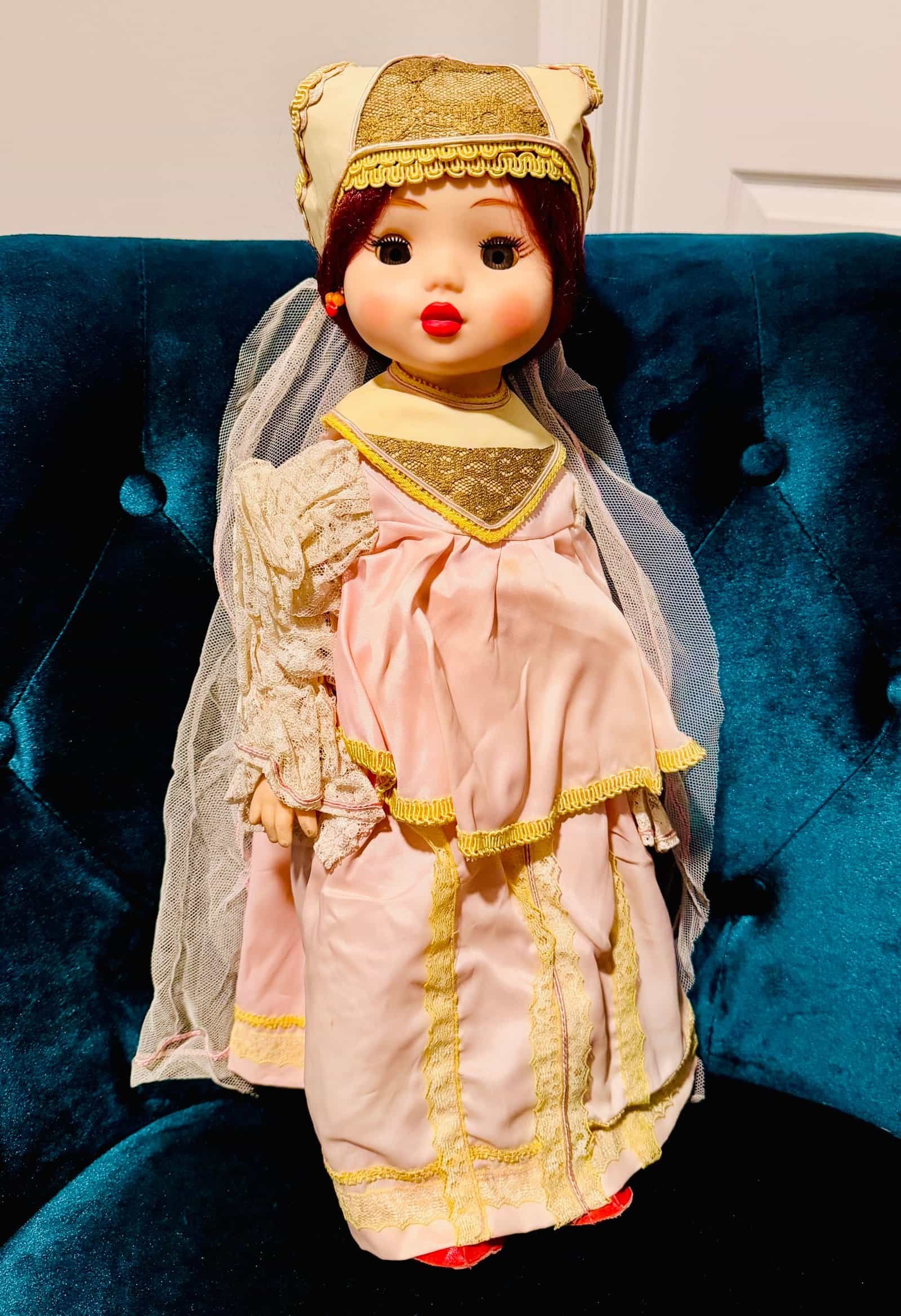
I was eight when my grandmother went to the Soviet Union. I did not understand then what that took. I only knew she was gone a while, and that the postcards she sent arrived after she did. She came home with a doll for me, and a small book for learning their alphabet, those strange and beautiful letters I could not read. I named the doll Anastasia. That is where it started, an eight year old falling for the history of a country on the other side of the world. I called my grandmother Memaw.
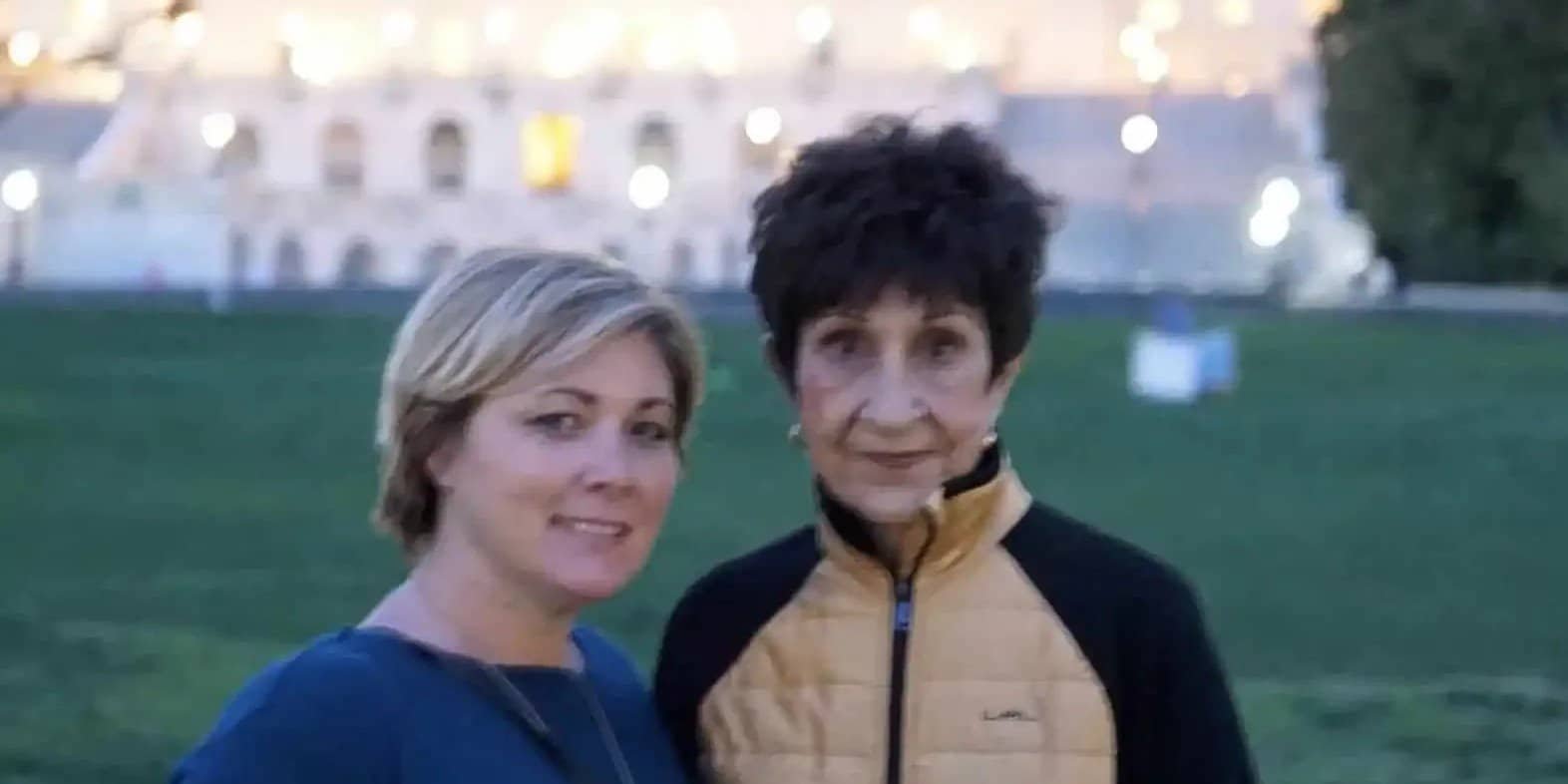
I grew up before the internet. Most of the world reached me secondhand back then, as a spread in National Geographic or a story on the evening news. I remember watching Princess Diana marry her prince on the television, along with the rest of the world. What made those places feel real to me was Memaw. It was the photographs she carried home, and the way she talked about them, that lit the yearning in me to see it all for myself.
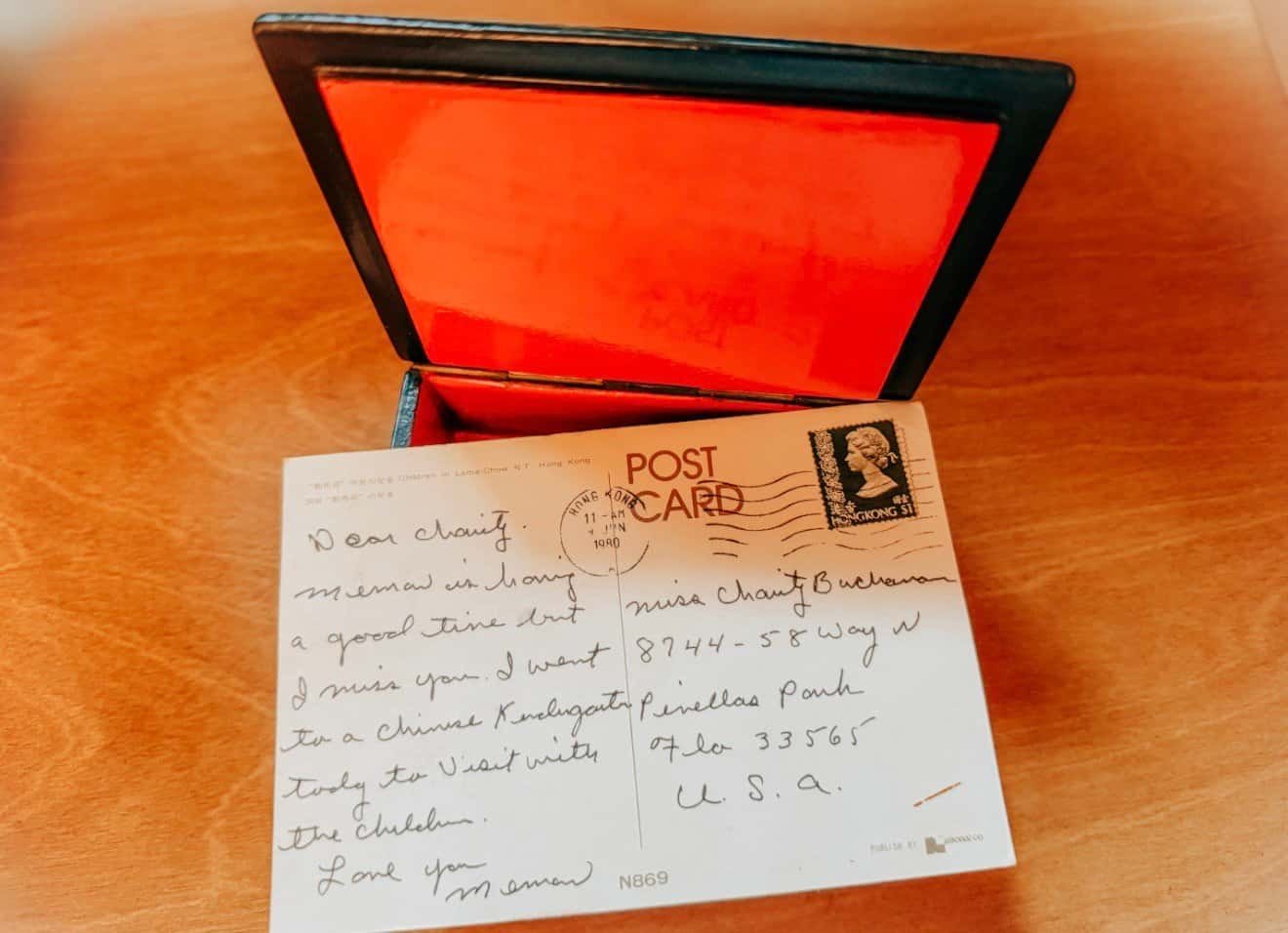
She never stopped going. She loved the far side of the map most of all, the exotic and the unfamiliar, the countries where no one spoke her language and finding a way to be understood became part of the adventure. There is a postcard she sent from Hong Kong in 1980 that I came across again only recently, her handwriting still sure on the back of it.
She was not a grandmother who took one grand trip. She was a traveler who happened to be my grandmother, and she rode the train up to Machu Picchu in 2018, at eighty-two.
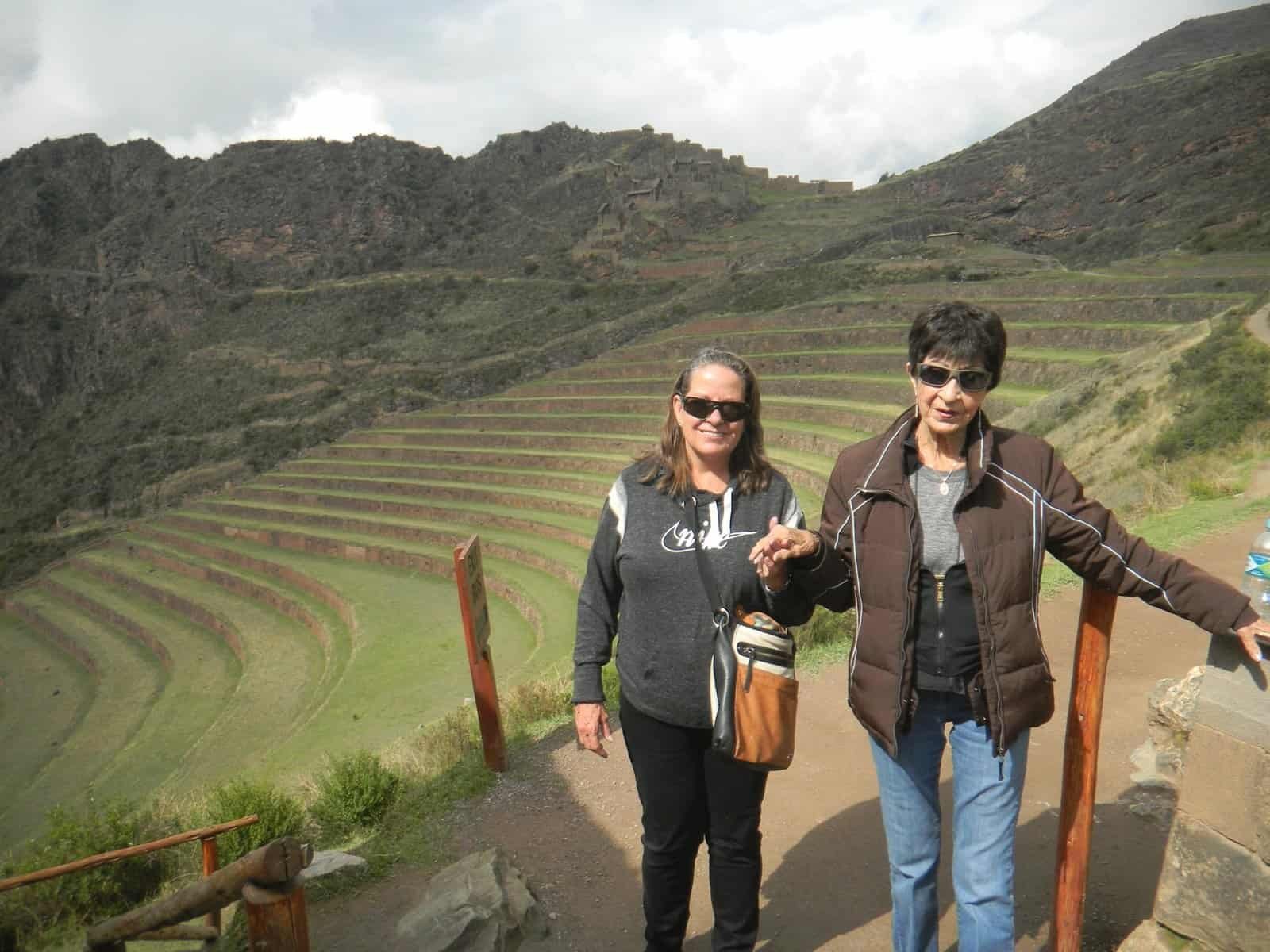
This work of mine began with her. After my own first big trip, to Australia with my family, she started handing me her journeys to plan. Sitting with the maps and the logistics of all those real and distant places, working out how she would actually reach them, is when the world stopped being pictures in a magazine for me. These were real places, and people got to stand in them.
Somewhere in those years I went to Russia myself, the country that eight year old with the Anastasia doll had always dreamed of. And because Memaw was still with us, I came home and told her everything I had seen. I got to watch her face while I did it, the excitement she had first lit in me handed back to her, all grown up.
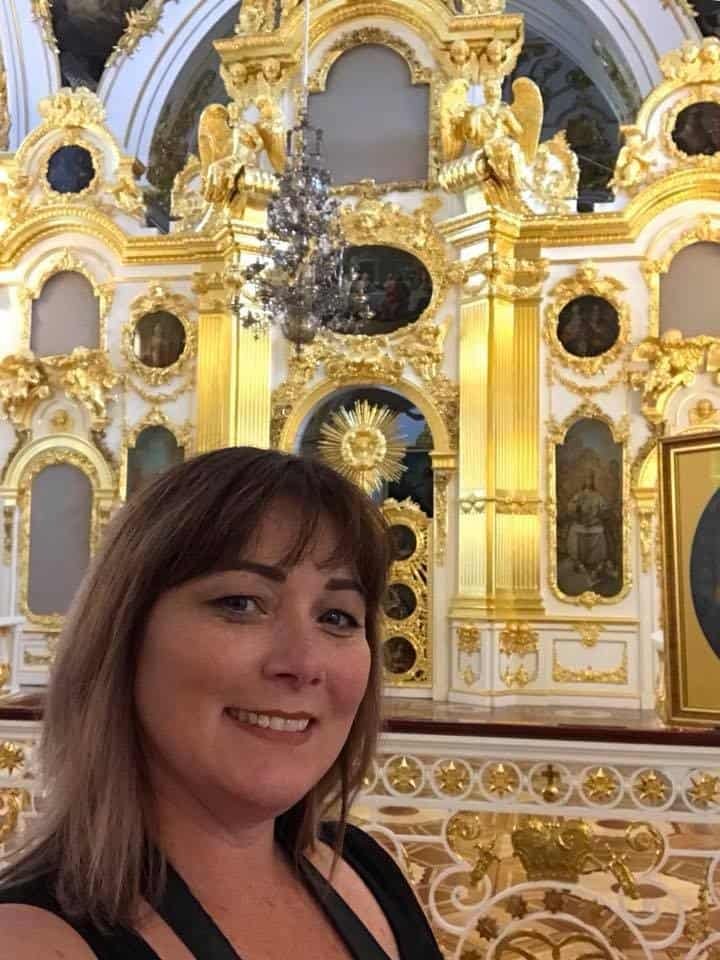
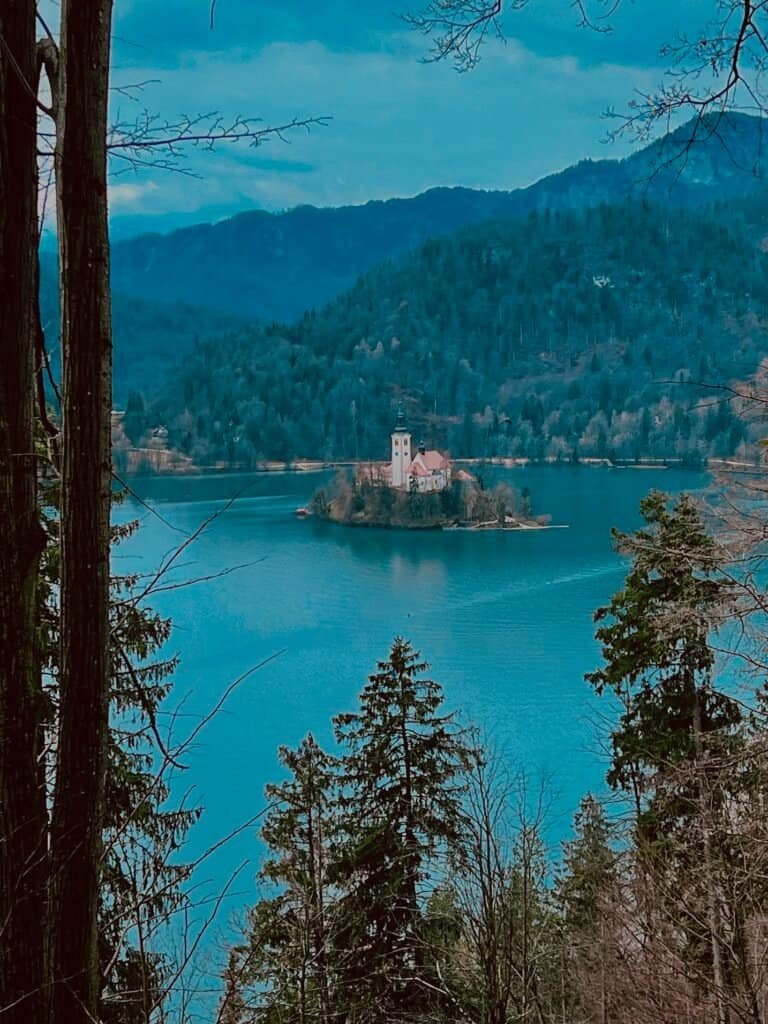
I have been thinking about her more than usual, because I am about to do for someone else what she did for me. My granddaughter, Charlie, is eleven. She calls me Gigi. She was only five when Memaw passed, too young to hold much of a memory of her, and that is part of why this matters to me. Charlie is taking her first trip abroad, flying to meet me in Europe. We are keeping it gentle for a first time out, a handful of cities and one quiet lake, and I get to be the one who opens the door.
Her world looks nothing like the one I grew up in. She has never had to wait on a postcard or a magazine to see a distant place. She has seen all of it already, instantly, any of it a tap away. And still I know something she is about to learn, which is that seeing a place on a screen and standing inside it are not the same. The light and the noise of it, the faces of the people who live there, the way a city smells in the morning. That is the part no feed can hand you. It has to be walked into.
I still have Anastasia. She sits where I can see her, a little worn now. She was not the first gift anyone ever brought me back from a trip, but she was the first that felt exotic, the first that did not look like the world I was part of, and that was enough to open something in me that never closed.
I want Charlie to know her story. I want her to know that the going started with a great-grandmother she barely had the chance to meet, a woman who mailed postcards home that arrived after she did, and who opened the whole world for me long before I could open it for anyone else.
So now I am the one heading off to show my granddaughter the world, and I cannot help but smile and think of Memaw and the gift she gave me. That is the thing I hope to hand down. Not the doll, not the postcards, but the going itself.
Go now. The postcards can arrive after you do.
Beautiful story of your memaw ! I remember when you were really little you wanted to be a missionary. I’m sure it was because of your desire to travel . What a wonderful legacy you are creating for Charlie. I hope your travels are amazing and safe. Love you 😘